Introduction
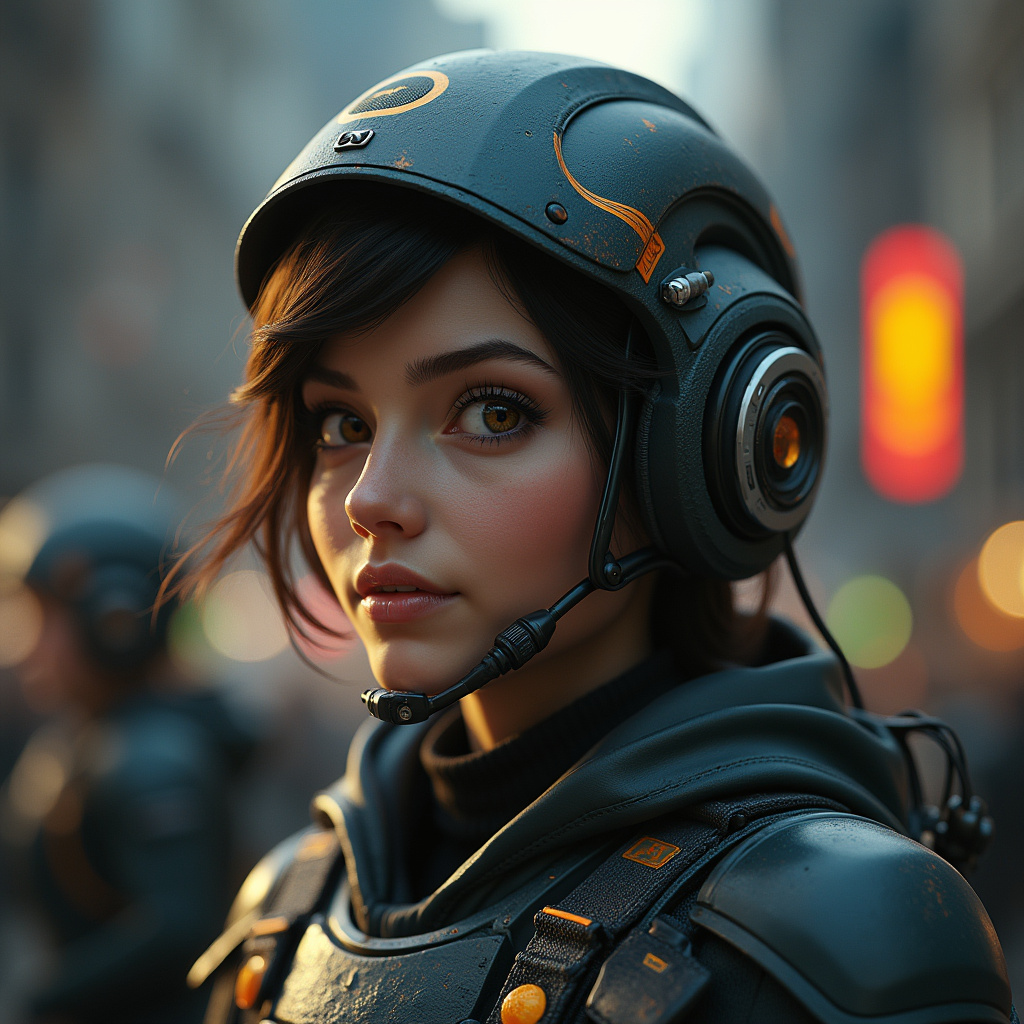
In recent years, artificial intelligence has made remarkable strides in various fields, and one of the most exciting developments has been in image generation. OpenAI’s DALL-E 3 has taken the spotlight, claiming to create stunning images from text prompts. But is it really worth the hype? In this review, we will explore DALL-E 3’s features, capabilities, and whether it lives up to the expectations surrounding it.
What is DALL-E 3?
DALL-E 3 is the latest version of OpenAI’s image generation model. Building on the success of its predecessors, DALL-E 3 can generate high-quality images based on textual descriptions. It uses advanced machine learning techniques to understand and visualize concepts, making it a powerful tool for artists, marketers, and anyone looking to create visual content.
Key Features of DALL-E 3
- Improved Image Quality: DALL-E 3 produces images that are sharper and more detailed than ever before, making it suitable for both professional and personal projects.
- Enhanced Understanding of Prompts: The model has a better grasp of complex prompts, allowing it to generate more relevant and contextually appropriate images.
- Customizability: Users can tweak prompts to refine the results, adding specific details or styles to get the desired outcome.
- Wide Range of Styles: DALL-E 3 can imitate various artistic styles, from realistic photography to abstract art, providing users with diverse options.
How Does It Work?
DALL-E 3 utilizes a neural network trained on a massive dataset of images and text. When a user inputs a prompt, the model processes the text to understand the key elements and then generates an image that reflects those ideas. The process involves several steps, including:
- Analyzing the text for key concepts
- Generating a rough image based on the understood concepts
- Refining the image to enhance details and quality
This intricate process allows DALL-E 3 to create images that are not only visually appealing but also closely aligned with the user’s intentions.
Use Cases for DALL-E 3
DALL-E 3 has a wide range of applications, including:
- Art and Design: Artists can use DALL-E 3 to brainstorm ideas or create unique pieces of art.
- Marketing: Businesses can generate eye-catching visuals for social media, websites, and advertisements.
- Education: Educators can create illustrations to enhance learning materials, making complex concepts easier to understand.
The versatility of DALL-E 3 makes it a valuable tool for various industries.
Limitations of DALL-E 3
While DALL-E 3 is impressive, it’s not without its limitations. Some of the challenges users may encounter include:
- Understanding Nuance: Although the model has improved, it may still struggle with nuanced or abstract prompts.
- Inconsistencies: Sometimes, the generated images may not fully align with the intended prompt, leading to unexpected results.
- Ethical Considerations: The use of AI in art raises questions about copyright, originality, and the potential for misuse.
Is DALL-E 3 Worth the Hype?
The answer largely depends on what you’re looking to achieve. For those seeking a powerful tool for image generation, DALL-E 3 offers impressive capabilities and versatility. It can save time and resources while delivering high-quality results. However, users should be aware of its limitations and approach the technology with a critical eye.
In conclusion, DALL-E 3 represents a significant advancement in AI-driven image generation. Whether you’re an artist, a marketer, or simply curious about AI, exploring DALL-E 3 could be a rewarding experience. Just remember, like any tool, the real value comes from how you choose to use it.